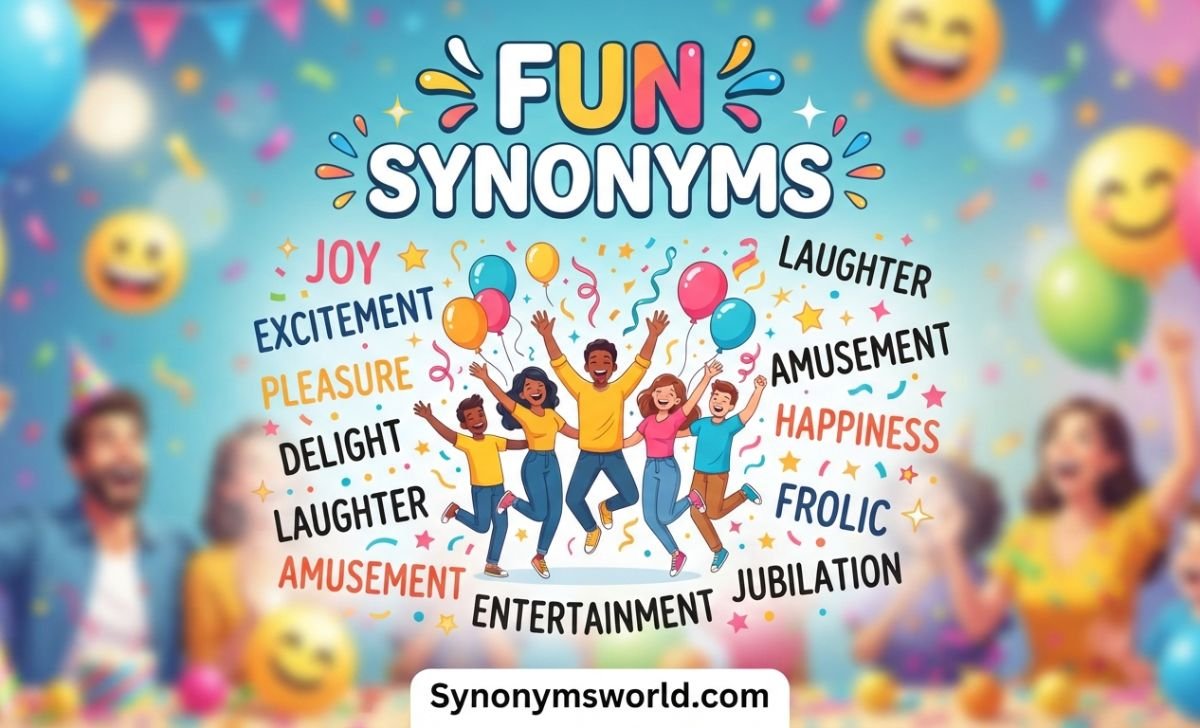
Have you ever written the word fun several times and felt that your sentence sounded repetitive? The word is simple, but English has many other ways to describe something enjoyable, exciting, funny, or relaxing.
For example, instead of saying, “We had fun at the party,” you can say, “We had a great time,” “The party was enjoyable,” or “The party was exciting.” The best fun synonyms depend on what you want to express.
These words are useful for students, bloggers, content writers, and anyone who wants to improve everyday English. Some work well in formal writing, while others are casual or slang.
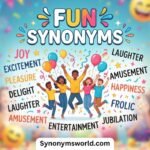
Below, you will find 50 synonyms for fun, along with simple meanings and real-life examples.
Amusement
Meaning: Amusement is something that gives you pleasure or makes you laugh.
Examples:
- The funny movie provided plenty of amusement.
- The children found amusement in the simple game.
Enjoyment
Meaning: Enjoyment is the pleasure you feel when doing something you like.
Examples:
- She gets great enjoyment from reading.
- We played the game for pure enjoyment.
Pleasure
Meaning: Pleasure is a happy feeling that comes from something you enjoy.
Examples:
- It was a pleasure to spend time with my friends.
- Cooking gives him a lot of pleasure.
Entertainment
Meaning: Entertainment is something that keeps you interested, happy, or amused.
Examples:
- The concert provided great entertainment.
- We watched the show for evening entertainment.
Recreation
Meaning: Recreation is an activity you do for relaxation and enjoyment.
Examples:
- Swimming is a popular form of recreation.
- The park offers recreation for families.
Enjoyable
Meaning: Enjoyable describes something that gives you pleasure.
Examples:
- We had an enjoyable dinner.
- The class was simple and enjoyable.
Exciting
Meaning: Exciting describes something that makes you feel eager or thrilled.
Examples:
- The football match was exciting.
- We had an exciting day at the theme park.
Delight
Meaning: Delight is a strong feeling of happiness or pleasure.
Examples:
- The surprise party was a delight.
- The children watched the magician with delight.
Joy
Meaning: Joy is a strong feeling of happiness.
Examples:
- The holiday brought her great joy.
- His visit filled the family with joy.
Happiness
Meaning: Happiness is the feeling of being happy and pleased.
Examples:
- Spending time with family brings happiness.
- The celebration was full of happiness.
Laughter
Meaning: Laughter is the sound or act of laughing.
Examples:
- The party was filled with laughter.
- Her joke brought laughter to the room.
Play
Meaning: Play is an activity done for enjoyment rather than serious work.
Examples:
- The children went outside to play.
- The puppy loves playtime after dinner.
Leisure
Meaning: Leisure is free time when you can relax or enjoy yourself.
Examples:
- I enjoy reading during my leisure time.
- She spends her leisure hours in the garden.
Adventure
Meaning: An adventure is an exciting experience that is often new or unusual.
Examples:
- Our camping trip was a great adventure.
- They wanted an adventure during their vacation.
Merriment
Meaning: Merriment means cheerful fun, laughter, and happiness.
Examples:
- The room was full of music and merriment.
- The holiday brought plenty of merriment.
Hilarity
Meaning: Hilarity means loud or uncontrolled laughter and fun.
Examples:
- The comedian caused hilarity in the audience.
- Their silly mistake led to great hilarity.
Frolic
Meaning: Frolic means to play or move around in a happy way.
Examples:
- The children frolicked in the park.
- The puppies began to frolic on the grass.
Romp
Meaning: A romp is a lively and playful activity.
Examples:
- The children had a romp in the backyard.
- The movie is a funny and lively romp.
Pastime
Meaning: A pastime is an activity you enjoy during your free time.
Examples:
- Gardening is her favorite pastime.
- Chess became his weekend pastime.
Diversion
Meaning: A diversion is something that takes your mind away from work or worry.
Examples:
- The game was a welcome diversion.
- We needed a fun diversion after work.
Sport
Meaning: A sport is a physical game or activity done for enjoyment or competition.
Examples:
- Tennis is a fun sport for many people.
- They played their favorite sport after school.
Game
Meaning: A game is an activity with rules that people play for fun or competition.
Examples:
- We played a board game after dinner.
- That game kept everyone laughing.
Party
Meaning: A party is a social event where people gather to enjoy themselves.
Examples:
- We had a small party at home.
- The birthday party was full of music.
Celebration
Meaning: A celebration is an event held for something special.
Examples:
- The graduation was a joyful celebration.
- They planned a family celebration for Saturday.
Festivity
Meaning: Festivity means a happy event or activity connected with a special occasion.
Examples:
- The holiday was filled with festivities.
- Music added to the festive mood.
Good Time
Meaning: A good time means an enjoyable or pleasant experience.
Examples:
- We had a good time at the beach.
- Thanks for helping us have a good time.
Blast
Meaning: Blast is an informal word for a very enjoyable or exciting time.
Examples:
- We had a blast at the concert.
- The road trip was a blast.
Thrill
Meaning: A thrill is a strong feeling of excitement and pleasure.
Examples:
- The roller coaster gave me a real thrill.
- She loves the thrill of trying new things.
Excitement
Meaning: Excitement is a strong feeling caused by something interesting or enjoyable.
Examples:
- There was excitement before the game.
- The children could not hide their excitement.
Cheer
Meaning: Cheer is a happy and positive feeling or mood.
Examples:
- The music brought cheer to the room.
- Her smile added cheer to the event.
Cheerfulness
Meaning: Cheerfulness is a happy and positive way of behaving.
Examples:
- His cheerfulness made everyone smile.
- Her cheerfulness helped the group relax.
Lightheartedness
Meaning: Lightheartedness means having a relaxed and happy mood.
Examples:
- The conversation had a sense of lightheartedness.
- His jokes brought lightheartedness to the meeting.
Playfulness
Meaning: Playfulness is a fun and lively way of acting.
Examples:
- The puppy’s playfulness made us laugh.
- Her playfulness made the children feel welcome.
Liveliness
Meaning: Liveliness means having a lot of energy and activity.
Examples:
- The music added liveliness to the party.
- Her liveliness made the class more enjoyable.
Satisfaction
Meaning: Satisfaction is the good feeling you get when something meets your needs or wishes.
Examples:
- Finishing the project gave him satisfaction.
- She felt satisfaction after completing the puzzle.
Gratification
Meaning: Gratification is a feeling of pleasure after getting what you want or achieving something.
Examples:
- Winning the prize gave him gratification.
- She felt gratification after reaching her goal.
Merrymaking
Meaning: Merrymaking means enjoying yourself with others in a lively way.
Examples:
- The wedding continued with music and merrymaking.
- The festival was full of food and merrymaking.
Revelry
Meaning: Revelry means lively and noisy enjoyment, often during a celebration.
Examples:
- The streets were filled with holiday revelry.
- Music and dancing added to the revelry.
Good Humor
Meaning: Good humor means a cheerful and friendly mood.
Examples:
- He accepted the mistake with good humor.
- Her good humor kept everyone relaxed.
Fun-Filled
Meaning: Fun-filled describes something with many enjoyable moments or activities.
Examples:
- We planned a fun-filled weekend.
- The school arranged a fun-filled day.
Entertaining
Meaning: Entertaining describes something that keeps you interested or amused.
Examples:
- The speaker gave an entertaining talk.
- It was an entertaining movie.
Amusing
Meaning: Amusing describes something that makes you smile or laugh.
Examples:
- He told an amusing story.
- The video was short but amusing.
Pleasant
Meaning: Pleasant describes something enjoyable, comfortable, or nice.
Examples:
- We had a pleasant afternoon together.
- The walk was quiet and pleasant.
Fun-Loving
Meaning: Fun-loving describes someone who enjoys having a good time.
Examples:
- She is a fun-loving person.
- Our fun-loving teacher makes lessons enjoyable.
Enjoyable Experience
Meaning: An enjoyable experience is something that gives you a good feeling.
Examples:
- The trip was an enjoyable experience.
- Cooking with friends was an enjoyable experience.
Good Cheer
Meaning: Good cheer means a happy, friendly, and positive mood.
Examples:
- The guests arrived in good cheer.
- Music filled the room with good cheer.
Recreation Time
Meaning: Recreation time is free time used for enjoyable activities.
Examples:
- Children need recreation time after school.
- I use my recreation time to play tennis.
Entertaining Person
Meaning: An entertaining person is someone who makes other people enjoy themselves.
Examples:
- My uncle is an entertaining person.
- She is an entertaining person at family events.
Exciting Experience
Meaning: An exciting experience is something that creates strong interest or excitement.
Examples:
- The trip was an exciting experience.
- The concert became an exciting experience for everyone.
Enjoyable Time
Meaning: Enjoyable time means a period spent feeling happy or pleased.
Examples:
- We had an enjoyable time at the museum.
- Thank you for such an enjoyable time.
Recreation Activity
Meaning: A recreation activity is something you do for relaxation or enjoyment.
Examples:
- Cycling is a popular recreation activity.
- The hotel offers several recreation activities.
Fun Activity
Meaning: A fun activity is something you do because it is enjoyable.
Examples:
- Painting can be a fun activity for children.
- We planned a fun activity for the weekend.
Fun and Exciting
Meaning: Fun and exciting describes something that is both enjoyable and full of energy or interest.
Examples:
- The trip was fun and exciting.
- We need a fun and exciting activity for the group.
Fun Person
Meaning: A fun person is someone who is enjoyable and pleasant to spend time with.
Examples:
- Sarah is a fun person to work with.
- He is a fun person who loves meeting new people.
How to Choose the Right Fun Synonym
The best word depends on what you mean by fun. Some alternatives focus on enjoyment, while others describe entertainment, excitement, or a person’s personality.
Enjoyment or pleasure, words such as enjoyment, pleasure, amusement, and delight work well.
For something exciting or thrilling, excitement, thrill, and adventure may fit the context better.
For free-time activities, recreation, leisure, and pastime are more precise choices.
When describing a person who is enjoyable to be around, consider fun-loving, playful, cheerful, or entertaining.
In casual everyday English, phrases such as good time and a blast are natural alternatives to “fun.”
Another Word for Fun
If you need another word for fun, the best choice depends on your sentence.
- Fun → enjoyment for a feeling of pleasure
- Fun → amusement for something funny or entertaining
- Fun → excitement for an energetic experience
- Fun → pleasure for a positive feeling
- Fun → recreation for a relaxing activity
- Fun → adventure for a new and exciting experience
- Fun → good time for casual everyday English
For example, instead of saying, “We had fun,” you can say, “We had a good time.”
Fun Synonyms Slang
Some words and phrases are more casual than standard synonyms.
Blast is one of the most common informal choices:
We had a blast at the party.
Good time is also natural in everyday conversation:
We had a good time last night.
You can also say have a great time or have a blast when wishing someone an enjoyable experience.
These expressions are better for casual conversations, messages, and friendly writing than formal academic work.
Fun Synonyms to Describe Someone
When fun describes a person, it usually means that the person is enjoyable, cheerful, lively, or pleasant to be around.
Useful choices include:
- Fun-loving
- Entertaining
- Playful
- Lively
- Cheerful
- Amusing
- Good-humored
For example:
She is a fun-loving person.
Or:
He is an entertaining person to talk to.
The exact word depends on the person’s behavior. Playful suggests a light and joking nature, while entertaining focuses on making other people interested or amused.
Fun and Exciting Synonyms
If you want to describe something that is both enjoyable and exciting, these words can help:
- Exciting
- Thrilling
- Adventurous
- Entertaining
- Lively
- Enjoyable
- Fun-filled
For example:
The theme park was exciting and fun-filled.
You can also use thrilling when an activity creates a strong feeling of excitement.
Very Fun Synonyms
Instead of repeating very fun, you can choose a stronger word or phrase.
- Exciting
- Thrilling
- Enjoyable
- Fantastic
- Amazing
- Entertaining
- A blast
- Great fun
For example:
The concert was very fun.
can become:
The concert was exciting.
In casual English, you can also say:
The concert was a blast.
Synonyms for Have Fun
There are many natural ways to say have fun.
- Enjoy yourself
- Have a good time
- Have a great time
- Have a blast
- Enjoy the experience
- Make the most of it
- Have a wonderful time
Examples:
Have fun at the party!
can become:
Have a great time at the party!
Or:
Enjoy yourself at the party!
Have a blast is more casual and works well with friends.
Fun Synonyms and Antonyms
A synonym gives a similar meaning, while an antonym gives an opposite meaning.
Common synonyms for fun include:
- Enjoyment
- Pleasure
- Amusement
- Entertainment
- Excitement
- Recreation
- Delight
- Joy
Common antonyms include:
- Boredom
- Sadness
- Seriousness
- Misery
- Dullness
- Unpleasantness
The best antonym depends on the sentence. Boredom is useful when the opposite of fun is a lack of interest or enjoyment.
Fun Synonyms in Everyday English
In everyday conversations, simple expressions often sound the most natural.
You can say:
- We had fun.
- We had a good time.
- We had a blast.
- It was enjoyable.
- It was exciting.
- I really enjoyed it.
- That was great fun.
For formal writing, enjoyment, pleasure, recreation, and entertainment may fit better.
FAQs
1. What is another word for fun?
Common alternatives include enjoyment, amusement, pleasure, entertainment, excitement, recreation, and delight.
2. What is a slang word for fun?
Blast is a common informal expression. For example, “We had a blast at the concert.”
3. What is a synonym for fun and exciting?
Words such as exciting, thrilling, adventurous, lively, and entertaining can describe something fun and exciting.
4. What is another word for a fun person?
You can say fun-loving, entertaining, playful, lively, or amusing, depending on the person’s personality.
5. What is another way to say “have fun”?
You can say have a good time, have a great time, enjoy yourself, have a blast, or enjoy the experience.
6. What is a stronger word for very fun?
Depending on the situation, exciting, thrilling, fantastic, amazing, or a blast can replace “very fun.”
7. What is the opposite of fun?
Common opposites include boredom, dullness, misery, sadness, and unpleasantness. The best choice depends on the context.
8. Is “fun” formal or informal?
Fun is a common everyday word and works in both casual and many formal situations. More specific words such as enjoyment, recreation, or entertainment may suit formal writing better.
Conclusion
Learning fun synonyms gives you more ways to describe enjoyable experiences, exciting activities, happy feelings, and entertaining people.
Words such as enjoyment, amusement, pleasure, excitement, recreation, adventure, and delight can make your English more natural.
Students can use these words in essays, while bloggers and content writers can use them to avoid repetition. You can also practice them in emails, messages, and daily conversations.
Start with a few simple words such as enjoyable, exciting, good time, amusement, and pleasure. As you use them more often, choosing the right synonym will become easier.